
Key takeaways
- Twin-needle, 39-stitch portable sewing machine for beginners: stitch range, twin-needle hems, expansion table, included kit and who it suits for home sewing.
What's inside
As an Amazon Associate I earn from qualifying purchases. This post may contain affiliate links at no extra cost to you.
A first sewing machine is a decision about how much help a beginner needs, and how much room a household has for a machine used only a few times a month. A compact portable machine promises an easy start, yet the wrong one turns simple mending into a fight with tangled thread, skipped stitches, and fabric that will not feed evenly. The choice is not about owning the largest stitch library available. It is about whether the machine threads easily, holds a steady seam on fabrics, and comes with the feet and accessories that let a new sewer finish a hem or a repair without extra parts.
This guide is for someone buying a first machine for home sewing, a household that needs reliable mending and hemming, and a crafter who wants a portable second machine for small projects. It looks at one sewing machine sold on Amazon, the FHSM-638, using details stated on its product page: stitch count, twin-needle design, size and weight, and everything listed in the box.
Quick Picks
As an Amazon Associate we earn from qualifying purchases
| Product | Best for | Key spec from title |
|---|---|---|
| Twin Needle Sewing Machine, 39 Stitches, Portable Electric for Beginners | A beginner who wants twin-needle sewing and a full accessory kit in a portable machine | 39 stitches, twin needle, portable electric |
How to Choose
Stitch count is only useful if the stitches match real work
A long stitch list looks impressive, but most home sewing uses a small set again and again: a straight stitch for seams, a zigzag for edges and stretch fabrics, a buttonhole stitch, and a reverse stitch to lock the start and end of a seam. Thirty-nine built-in stitches give room to try decorative patterns, yet the number alone does not show how distinct each pattern is or how clearly the stitch chart is marked. Before choosing, check which utility stitches are included and whether the dial or chart makes them easy to find. A beginner benefits more from a clear straight stitch, a usable zigzag, and a buttonhole foot than from decorative options rarely used.
Twin-needle sewing changes what a machine can finish
A twin needle holds two needles side by side and sews two parallel lines at once, which gives hems on stretch fabric a neat look and adds a decorative double line to plain seams. That helps anyone hemming T-shirts, knit tops, or children’s clothes, where a single straight stitch can snap when the fabric stretches. Twin-needle sewing also asks more: the machine needs two thread paths, the correct spool holders, and a stitch setting that suits a double needle, so threading takes longer and mistakes are easier. A buyer who mainly repairs woven curtains may never use it, while a regular knit sewer should treat the twin-needle setup, spare twin needle, and double spool holder as core features, not extras.
Size and weight decide whether the machine gets used
A portable machine earns its place by being easy to lift out, set on a table, and put away again. The FHSM-638 measures 12.60 by 10.94 by 8.86 inches and weighs 6.72 lbs, light enough to carry between rooms but large enough to hold fabric steady. An expansion table matters because it supports fabric beside the needle, so a curtain panel or dress does not drag and pull the seam off line. A storage drawer also matters, since needles, bobbins, and feet are easy to lose when the machine is moved. Measure the table where it will sit, check there is room for the expansion table and foot pedal, and decide where it will live between uses.
Power, pedal control, and the included kit
A foot pedal gives a beginner control over speed, which is the difference between a careful first seam and a runaway line of stitching. The FHSM-638 runs on electric power with an AC/DC adapter and foot pedal in the box, so plan for a power outlet near the sewing table. The kit is a large part of the value: a buttonhole foot, spare needles, a spare twin needle, pre-filled bobbins, a thread spool, a needle threader, a thread unpicker, scissors, a tape measure, and a thimble. That covers threading, buttonholes, spare parts, and basic measuring without a separate haberdashery trip. Confirm the adapter and pedal are included in the exact offer being bought, since accessory lists vary between sellers.
The Best Options
Twin Needle Sewing Machine, 39 Stitches, Portable Electric for Beginners

This machine suits a beginner who wants to learn on a light, portable machine and try twin-needle hems on knit fabrics without buying extra accessories. Its 39 built-in stitches and reverse stitching cover straight seams, edge finishes, and decorative work for home sewing, garment making, craft projects, and daily mending, while the expansion table and storage drawer keep larger pieces supported and small parts together. The foot pedal, buttonhole foot, and needle threader help a new sewer control speed, finish buttonholes, and thread the needle with less frustration. It is a practical pick for a household that sews in short sessions and puts the machine away between projects.
Specs
- Model: FHSM-638
- Built-in stitches: 39, with reverse stitching function
- Needle system: twin needle and double thread, with single needle and single thread sewing
- Material: plastic and metal
- Size: 12.60 x 10.94 x 8.86 inches
- Weight: 6.72 lbs
- Colour: white and black
- Power source: electric, with AC/DC adapter included
- Included: sewing machine, AC/DC adapter, foot pedal, instruction manual, buttonhole foot, double spool holder, single spool holder, spare needles, spare twin needle, pre-filled bobbins, thread spool, needle threader, thread unpicker, scissors, tape measure, thimble
- Extra features listed: expansion table, light, storage drawer, sewing accessory kit
Best for: A beginner learning to sew at home who wants twin-needle hems and a complete starter kit in one portable machine.
Watch out for: The listing describes the stitch range in two different ways, mentioning 39 stitches in one place and 16 types of stitches in another, so confirm which stitch patterns are actually selectable before buying, and check the power arrangement and included adapter for the exact offer.
Which One Fits Your Situation
Learning to sew from scratch
A complete beginner should choose this machine because it lowers the first barriers: the needle threader helps with threading, the foot pedal controls speed, the manual walks through setup, and the pre-filled bobbins remove one fiddly step. Start with straight seams on cotton, practise reverse stitching at the ends, and try the zigzag on scrap knit fabric before sewing a real garment. Leave the twin needle until straight seams feel steady.
Mending and hemming around the home
A household that repairs clothes, shortens trousers, or hems curtains should choose this machine for its mending kit. The thread unpicker, scissors, tape measure, and spare needles cover small jobs, the reverse stitch locks repairs in place, and the light helps on dark fabric. Use the expansion table to support the fabric, and keep the drawer stocked with the bobbins and feet used most. Here the twin needle is a bonus for knit hems, not the reason to buy.
Small craft and garment projects
A crafter making tote bags, cushion covers, children’s clothes, or garments should choose it for its stitch range and twin-needle option. Its 39 stitches allow edges and seam finishes, the twin needle gives knit hems a double line, and the double spool holder supports the two-thread setup. Plan projects around its size: it handles cottons, linens, and light knits, so test each new stitch on a scrap and use the kit’s tape measure and scissors to mark and cut accurately.
Sewing in a small space or a shared room
A sewer with limited space should choose this machine because it is light enough to carry, small enough to store in a cupboard, and supplied with a storage drawer. The expansion table gives support and can be removed for storage, which suits a dining table cleared for meals. Set up near a power outlet, keep the pedal and adapter together, and check the footprint with the table fitted, since the working size is larger than the stored size.
Common Mistakes
- Buying for the stitch count alone, without checking whether the straight stitch, zigzag, buttonhole, and reverse stitch are easy to select and use.
- Assuming twin-needle sewing works with any stitch setting, instead of reading the manual for the needle, foot, and stitch limits that apply to a double needle.
- Skipping a test seam on scrap fabric, then discovering a tension or threading problem halfway through a real garment.
- Sewing heavy or layered fabric that the machine was not set up for, instead of testing thickness, needle, and stitch length on an offcut first.
- Losing small parts by storing the machine without its drawer and kit, then finding the buttonhole foot or spare bobbins missing when they are needed.
Frequently Asked Questions
Is this sewing machine suitable for a complete beginner?
Yes, it is aimed at beginners, with a needle threader, a foot pedal, an instruction manual, and pre-filled bobbins in the box. A new sewer should still practise threading and straight seams on scrap cotton first, learn reverse stitching to lock seams, and try each new stitch on an offcut before using it on a garment. Leave the twin needle and decorative stitches until basic seams feel steady.
What is twin-needle sewing used for?
Twin-needle sewing uses two needles at once to sew two parallel lines, which gives hems on stretch and knit fabrics a neat finish that stretches with the fabric instead of snapping. It also adds a decorative double line to plain seams. The machine needs two thread paths and the double spool holder for this setup, and the manual should be followed for which stitches and feet suit a twin needle.
Can it sew denim and other thick fabrics?
The listing describes a motor made for stronger fabric penetration and stable operation, but thickness still depends on the fabric, the needle, and the number of layers. Test heavy fabric on a scrap first, use a suitable needle, sew slowly, and avoid forcing many layers under the foot. For regular work on very thick or layered material, a heavier machine may be a better long-term choice.
Does it run on batteries or only from a power outlet?
The listing describes an electric machine with an AC/DC adapter and a foot pedal included, so plan to sew near a power outlet with the adapter connected. Battery operation is not established in the listing details used here, so do not buy this machine expecting cordless use. Check the power arrangement stated for the exact offer before buying, and keep the adapter with the machine.
Related guides
- SATA Cable vs Sleeved Cable Appearance in 2026: SATA Cable vs Sleeved Cable Appearance for a Clean, Tidy PC Build
- SSD 256GB NVMe in 2026: Best 250GB and 256GB NVMe SSDs for Laptops and Desktops Compared
- NVMe 256GB in 2026: 7 NVMe 256GB SSDs That Offer Fast Speeds, Easy Installation, and Reliable Performance for PCs
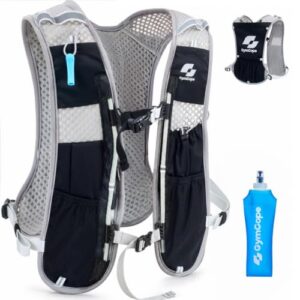
- GymCope Running Vest for Women and Men with 500ml Flask and 1.5L Bladder
More from Amazon
Programs that pair well with the guide above. Offers and eligibility are set by Amazon and may change.
Free shipping on eligible items, Prime Video and more. Eligible new members can start with a free trial.
Start a Prime free trialAd-free music streaming. Eligible new subscribers can start with a free trial.
Try Music Unlimited freeA Prime membership for ages 18-24 with a trial period. Eligibility is set by Amazon.
See Prime for Young AdultsAudiobooks and podcasts to listen to on the go. Eligible new members can start with a free trial.
Try Audible freeAs an Amazon Associate we earn from qualifying purchases.

Write Your Review
No reviews yet. Be the first to share your experience!