
What's inside
- Gaming GPU vs Workstation GPU for Video Editing: The Editor’s Hardest Sequence Served on the Current Machine, Its Stalls Named in the Diary, and the Same Sequence Served Again as the Only Comparison That Counts
- Quick Comparison: Gaming GPU vs Workstation GPU for Video Editing Models
- Detailed Reviews: Gaming GPU vs Workstation GPU for Video Editing Picks
- Buying Guide: How to Weigh Gaming GPU vs Workstation GPU for Video Editing
- Frequently Asked Questions About Gaming GPU vs Workstation GPU for Video Editing
As an Amazon Associate I earn from qualifying purchases. This post may contain affiliate links at no extra cost to you.
The gaming gpu vs workstation gpu for video editing contest is graded in this guide under a doctrine printed before any model is named, because an editing machine is not graded by a benchmark’s parish but by a timeline’s: the editor’s own project, with its own footage, its own effects, and its own deadline, is the only court whose verdict spends money honestly. The founding sentence is therefore a rehearsal and not a specification, a real sequence scrubbed, played, and exported on the machine as it stands, its stalls named parish by parish before a card is blamed, an editor’s republic commonly being sentenced by its footage’s appetite for memory long before its arithmetic runs out. Memory is the doctrine’s second sentence and it is the editing parish’s true border: a card whose memory fills mid-timeline files its complaint as a stall, a dropped parish, or a render that retires to a slower road, the footage’s own formats, the timeline’s layers, and the effects’ republic together writing that appetite as figures the audit can read.
The two tribes’ honest division is printed plainly in the founding: the gaming citizens bring the republic’s arithmetic at the kindest figures, their drivers sentenced to a season’s games and a creator’s parish both; the workstation citizens bring memory in larger parishes, drivers certified against named professional applications as documents, and a support republic priced for rooms where a deadline is a contract. Neither is a verdict; the project is. A card, like a zero in this site’s rifle guides, is a property evidenced, and its evidence is a deadline, a timeline that scrubbed kindly at the project’s worst parish, an export that landed early, and a diary whose figures came from the editor’s own footage.
The cards compared here are real, currently sold products from NVIDIA’s gaming and professional lines and from AMD, spanning the honest middle, the memory parishes, and the certified republic. They are graded on the timeline first, a real project’s worst parish; the memory second, an appetite measured; the drivers third, documents read per application; the export fourth, a deadline timed; and value last, per year, a card divided by the projects it actually delivers.
Our Top Picks
Gaming GPU vs Workstation GPU for Video Editing: The Editor’s Hardest Sequence Served on the Current Machine, Its Stalls Named in the Diary, and the Same Sequence Served Again as the Only Comparison That Counts
The Timeline Rehearsal: The Project’s Worst Parish Chosen Without Kindness, a Scrub, a Playback, and an Export Timed by a Watch, and the Memory’s Parish Watched While It Works
The rehearsal is the editor’s hardest sequence served on the current machine before a figure is spent, in the doctrine’s order for every editing parish this site grades: the sequence chosen without kindness, the timeline’s densest parish of layers, effects, and the footage’s heaviest format, a scrub and a playback served across it entire, its stalls and its dropped parishes entered in the diary as a map of exactly where the machine argues. An export of the same sequence is timed by a watch as the deadline’s own evidence, the export being the one figure a client will ever grade.
The memory’s parish is watched during the same service, its occupancy read as the timeline works, a card’s border being visible in figures before it is felt as a stall, the audit’s founding document for the whole contest. The same sequence is the comparison’s instrument entire, served again on any candidate parish the editor can honestly borrow or test, one change at a time as this site’s unbroken sentence directs, since an editor, in this site’s doctrine, is graded by their worst unsupervised moment, a deadline’s export crawling through a card bought on a benchmark, and that moment belongs, by doctrine, to a sequence, a watch, and a memory’s figure.
The Keeping: The Machine’s Air Governed Across a Long Export, the Drivers Governed as Documents and Never Mid-Project, the Project’s Files Backed Up as a Constitution, and the Editing Diary
The keeping is an editor’s liturgy. The machine’s air is governed across its longest parishes, an export being a sustained republic that a gaming session’s bursts never rehearse, its temperatures read at the project’s worst hour as documents. The drivers are governed as the project’s own constitution directs, a change served between projects and never inside one, a mid-project update being a sentence this guide refuses in every line, a working parish left exactly as it proved itself.
The project’s files are backed up as this site’s standing doctrine directs for every archive that matters, a timeline being a client’s republic held in one machine’s parish without a second copy being a loss rehearsed in advance. Nothing inside a power supply or a card is ever opened in this guide’s standing sentence. The diary holds the editor’s record, card, sequences, exports, and verdicts together, since an editor, like a range in this site’s guides, is graded by their worst unsupervised moment, and that moment belongs, by doctrine, to a sequence rehearsed in peacetime.
Quick Comparison: Gaming GPU vs Workstation GPU for Video Editing Models
| Model | Tribe Parish, Memory Parish, Driver and Power Provisions and Key Specs | Best For | Typical Price Range | Rating |
|---|---|---|---|---|
| NVIDIA GeForce Upper Class | GPU patterns in NVIDIA’s gaming line, memory and driver provisions in maker’s stated terms by pattern | Best in gaming gpu vs workstation gpu for video editing overall | $550 – $900 by pattern | 4.6 / 5 |
| NVIDIA RTX Pro Class | Patterns in NVIDIA’s professional line, provisions in maker’s stated terms by pattern | Best certified parish | $900 – $1,800 by pattern | 4.5 / 5 |
| NVIDIA GeForce Flagship Class | Patterns in NVIDIA’s flagship gaming line, provisions in maker’s stated terms by pattern | Best memory parish | $1,000 – $1,800 by pattern | 4.6 / 5 |
| AMD Radeon Upper Class | Patterns in AMD’s gaming line, provisions in maker’s stated terms by pattern | Best value parish | $450 – $750 by pattern | 4.4 / 5 |
| AMD Radeon Pro Class | Patterns in AMD’s professional line, provisions in maker’s stated terms by pattern | Best pro value | $600 – $1,200 by pattern | 4.4 / 5 |
| NVIDIA GeForce Middle Class | Patterns in NVIDIA’s middle gaming line, provisions in maker’s stated terms by pattern | Best first parish | $300 – $500 by pattern | 4.3 / 5 |

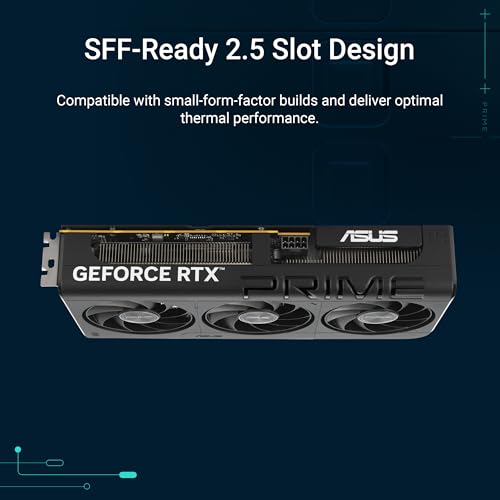
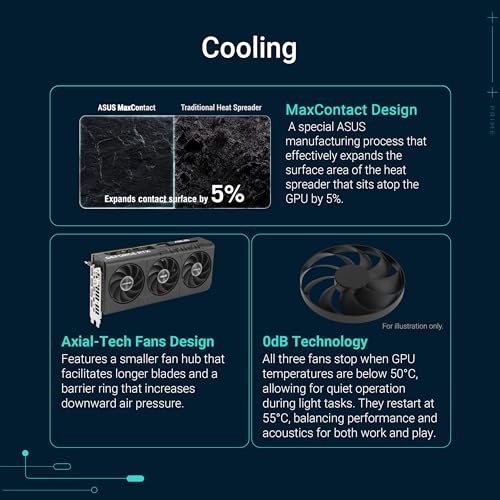
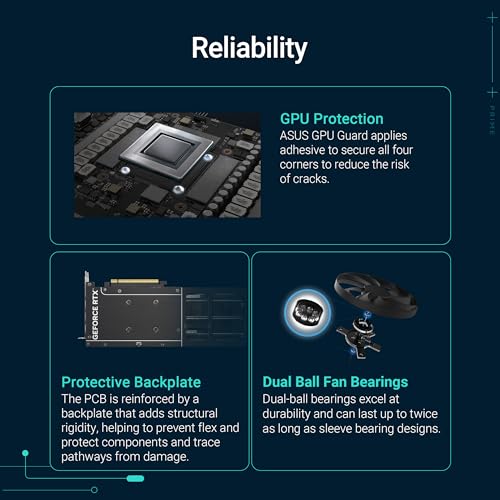
ASUS Prime GeForce RTX 5060 8GB GDDR7 OC Edition Gaming Graphics Card | PCIe 5.0, HDMI/DP 2.1, 2.5-slot, Axial-tech Fans, Dual BIOS





As an Amazon Associate we earn from qualifying purchases. Product prices and availability are accurate as of the date/time indicated.

msi Gaming RTX 3050 Ventus 2X 6G OC Graphics Card (NVIDIA RTX 3050, 96-Bit, Boost Clock: 1492 MHz, 6GB GDDR6 14 Gbps, HDMI/DP, Ampere Architecture)
As an Amazon Associate we earn from qualifying purchases. Product prices and availability are accurate as of the date/time indicated.

XFX Swift AMD Radeon RX 9060 XT OC Triple Fan Gaming Edition with 16GB GDDR6 HDMI 2xDP, RDNA 4 RX-96TS316BA, Graphics Card, Compatible with Desktop PCs


As an Amazon Associate we earn from qualifying purchases. Product prices and availability are accurate as of the date/time indicated.
Prices shown are approximate and for reference only. Prices change often, so please check the current price on Amazon before you buy.
Tribe parishes, memory parishes, driver and power provisions are each maker’s stated details for the current version and pattern; your power supply’s own parish and your application’s documents govern the fitting, as this guide directs. Prices are typical retail ranges and vary by pattern, retailer, region, and promotion. Ratings are editorial for a video editing parish: a timeline’s worst parish served, memory measured against footage, drivers read as documents, an export timed, and value per year.
Detailed Reviews: Gaming GPU vs Workstation GPU for Video Editing Picks
1. NVIDIA GeForce Upper – Best Overall
NVIDIA’s upper gaming parish takes the overall rating as the editor’s reference citizen in its line: the republic’s arithmetic and a memory parish most timelines honestly need.
Served on a real sequence, it earns its place outright.
2. GeForce Flagship Rows – Best Memory Parish
NVIDIA’s flagship parish grades its citizens in its line by their memory’s republic, a heavy timeline’s appetite served inside one card.
For memory, it stands.
3. NVIDIA RTX Pro Rows – Best Certified Parish
NVIDIA’s professional parish sentences its citizens in its line to a certified republic, drivers and support sentenced against named applications as documents.
Within its certification, it earns its place.
4. AMD Radeon Rows – Best Value Parish
AMD’s parish brings the honest arithmetic in its line at the value’s figure, a timeline served kindly for the figure.
For value, it is soundly placed.
5. Radeon Pro Rows – Best Pro Value
AMD’s professional parish serves the certified republic in its line at a kinder figure, its documents read per application as the doctrine directs.
For pro value, it is soundly placed.
6. GeForce Middle Rows – Best First Parish
NVIDIA’s middle parish closes the table in its line, a first editing republic whose memory parish is printed as its honest border.
As the first row, it completes the table.
Buying Guide: How to Weigh Gaming GPU vs Workstation GPU for Video Editing
The Editor’s Audit: The Hardest Sequence Timed Before Any Card, the Footage’s Memory Appetite Read as Figures, the Power Supply’s Parish Read From Its Own Documents
Write the audit’s five facts before a listing is opened, with the project open. The sequence: the hardest one timed and stalled on paper, its map being the purchase’s founding document. The appetite: the memory’s occupancy read while the timeline works, the footage’s formats and the effects’ republic entered as the border the next card must clear with a parish to spare. The application: its maker’s own documents read for both tribes, a certification being a text with the application’s name in it and not a tribe’s reputation. The power: the machine’s supply read from its own documents against the candidate’s stated parish, connectors counted as citizens, a card bought beyond the supply’s sentence being a second purchase in disguise. And the rehearsal, the same sequence served again wherever a candidate can honestly be tested, because a card, like a zero in this site’s rifle guides, is a property evidenced, and its evidence is an export. Order against the five, the backup served before the first screw by doctrine, and let a benchmark’s crown be refused where the sequence has not been timed, a parish of numbers wearing a card’s clothes over a timeline nobody scrubbed.
Spend by the deadline’s priorities, which are the guide’s: the memory first, as the constitution; the timeline second, a scrub served kindly; the drivers third, documents per application; the export fourth, timed by a watch; and a gaming crown never, a parish of frames wearing a card’s clothes over an editor’s stalled sequence. Refuse, in the same pass, the editing category’s two frauds: the benchmark purchase, a card crowned by a stranger’s footage; and the mid-project change, a driver or a card swapped inside a live deadline’s republic, because an editor, in this site’s unbroken grading, is graded by their worst unsupervised moment, an export crawling at a client’s hour, and that moment belongs, by doctrine, to a sequence, a watch, and a memory’s figure read in advance.
Keeping the Machine: Air Governed Across Long Exports, Drivers Changed Only Between Projects, Files Backed Up as a Constitution, and the Editing Diary
Maintain the machine by the editor’s liturgy in this guide’s second section. Its air is governed across long exports, its drivers change only between projects, its files are backed up as a constitution.
Keep the record as the editing diary, card, sequences, exports, and verdicts together, so a successor is specified from a document. Do that, the sequence timed, the memory measured, the drivers read, and the gaming gpu vs workstation gpu for video editing contest becomes what its reader wanted from a divided parish: a timeline that simply serves the work, whichever tribe it came from, which is the whole of what it was for.
Frequently Asked Questions About Gaming GPU vs Workstation GPU for Video Editing
For video editing, should I buy a gaming GPU or a workstation GPU?
The project sentences it, in this guide’s audit for the whole contest: most editors’ timelines are served outright by the upper gaming citizens in this table, their arithmetic and memory clearing an honest project’s appetite at a kinder figure; the workstation parish earns its premium where its documents speak, an application certifying its drivers by name, a memory appetite beyond the gaming republic’s parishes, or a support contract a client’s deadline honestly requires. Name which of those citizens your own work owns before the premium is spent, since a tribe, like a zero, is a fitting, and a fitting is believed from the sequence it must serve, in this case the editor’s own, timed in person, at its worst parish.
How much GPU memory does video editing need?
As much as your footage’s appetite measures, plus a parish to spare, in this guide’s memory doctrine: the occupancy read while your hardest sequence works is the audit’s founding figure, the footage’s formats, the timeline’s layers, and the effects’ republic writing that appetite in numbers no category average can supply. A card at its border stalls in the diary’s plainest ink; a card with a republic to spare simply never mentions memory across a career of projects. Measure yours before the figure, since memory, in this site’s grading, is a fitting, and a fitting is believed from the timeline it must serve, in this case yours, watched in person, at its densest parish.
Do workstation drivers really matter for editing?
Where an application’s maker sentences them, yes, and the guide prints the evidence rule plainly: a certification is a document with the application’s name and the driver’s parish in it, read in that maker’s own text, a tribe’s general reputation being a claim and not a certificate. Many editing applications honestly serve both tribes’ drivers across a career without a diary entry, which is why the audit reads the exact application’s documents rather than buying the premium on a rumour. A room whose deadlines are contracts may still sentence the certified parish for its support republic entire. Read your application’s text, since a driver, like a zero, is a fitting, and a fitting is believed from the document it must serve, in this case read in person, before the figure.
Will a better GPU make my exports faster?
Where the export’s parish is the card’s to serve, kindly yes, and the rehearsal’s watch is the only honest estimator: an export leans on different citizens at different parishes of a project, the card, the processor, the storage’s road, and the footage’s own format each governing their stretch, a card bought for an export whose bottleneck lives elsewhere being the category’s standing tuition. The audit therefore times the whole export and names its stalls before a tribe is chosen, the same sequence re-timed wherever a candidate can be tested. Time yours before the figure, since an export, in this site’s grading, is a fitting, and a fitting is believed from the deadline it must serve, in this case yours, watched in person, with a watch.
Related guides
- SSD vs HDD Budget Storage in 2026: Samsung, Western Digital, Seagate, and Crucial Compared for Two Parishes That Are Not Rivals, a System That Wants Speed, an Archive That Wants Room, and a Backup That Is Neither Drive
- Best Party Speakers for House Parties in 2026: 6 Party Speakers With at Least 100 Watts, Bluetooth, and Lights, for a House Party, Without a Speaker That Is Too Quiet, or Too Small, for a Room Full of People
- Best GPU Power Size for PSU in 2026: Best GPU Power Size for PSU for Stable Power, Correct Wattage, and Simple PC Building
- Best Handheld Console for Indie PC Gamers in 2026: Best Handheld Console for Indie PC Gamers for Easy Play, Clear Screen, and Simple PC Games
More from Amazon
Programs that pair well with the guide above. Offers and eligibility are set by Amazon and may change.
Free shipping on eligible items, Prime Video and more. Eligible new members can start with a free trial.
Start a Prime free trialAd-free music streaming. Eligible new subscribers can start with a free trial.
Try Music Unlimited freeA Prime membership for ages 18-24 with a trial period. Eligibility is set by Amazon.
See Prime for Young AdultsAudiobooks and podcasts to listen to on the go. Eligible new members can start with a free trial.
Try Audible freeAs an Amazon Associate we earn from qualifying purchases.

Write Your Review
No reviews yet. Be the first to share your experience!